Before you go
Cave flamenco: what to expect
How a Sacromonte cave flamenco show works: where the cave sits, what the room is like, what reaches your ears and eyes, and how to fit the night around it.
Book flamenco in the Sacromonte cave ↗Quick answer
Expect a small whitewashed stone room, a bare floor for a stage and no more than 25 spectators sitting close to the dancers for an hour. Dance, song and guitar share the hour, clapping carries part of the rhythm, and the room can be loud. Cueva La Faraona is at Camino del Sacromonte 53, on the hillside opposite the Alhambra. Expect part of the way to be uphill and keep the hour after the show free.
Where the Sacromonte is
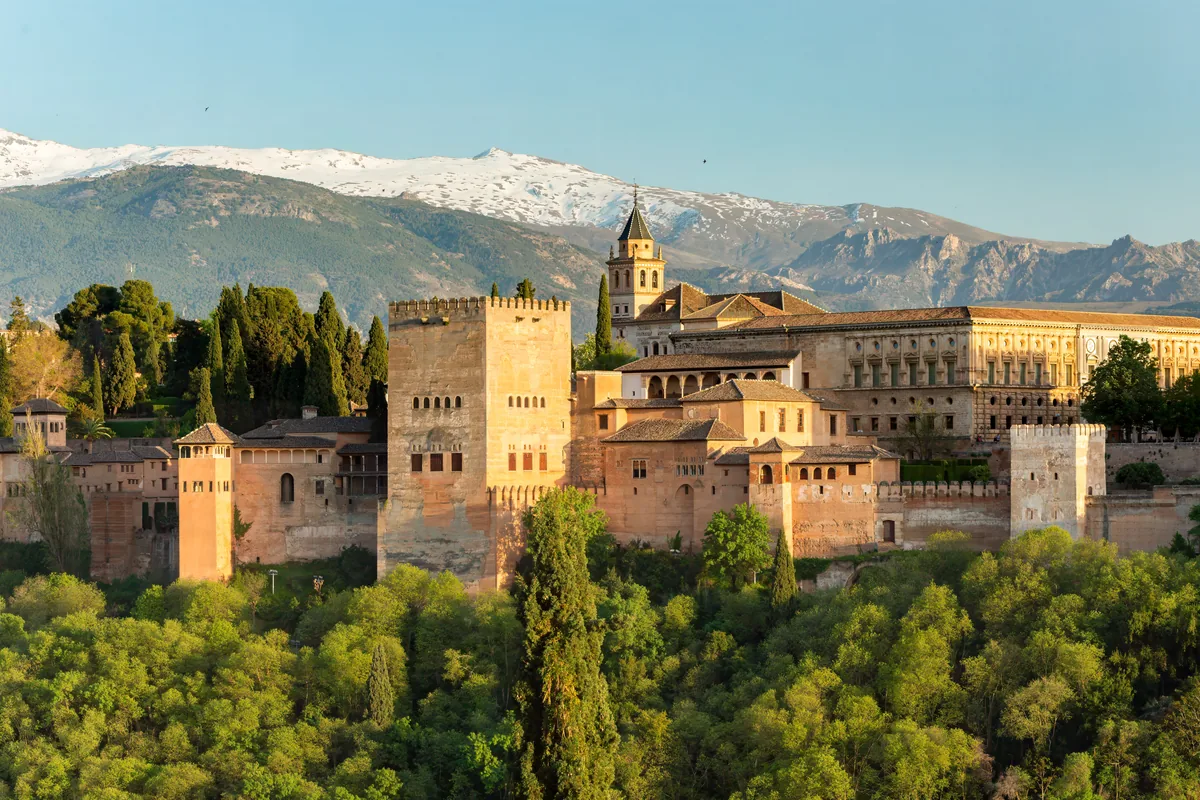
The Sacromonte sits on a hillside and in the Valparaíso valley, opposite the Alhambra, Wikipedia says, and it spans both banks of the Darro river. The Albaicín, also spelled Albayzín, lies next to it. Cueva La Faraona's address is Camino del Sacromonte 53, 18010 Granada, and any map app will take you to it. The district is a residential hillside rather than a monument, so think of the evening as a visit to a neighbourhood, with the cave show as its centre. The Alhambra stands on the opposite slope, so the two sit naturally together on a map.
Getting up the hill
Sacromonte is a hillside neighbourhood, so some of the way is uphill whichever direction you start from. How you get there depends on where you are staying, and your confirmation carries the meeting details, so use that rather than a route from a blog. Instead of counting minutes from a map, leave a margin before the start time. A few travellers who booked mention that shows started late, but nobody should rely on that: arrive for the time on your confirmation, then treat any delay as a bonus rather than a plan. If you are coming from the city centre, give yourself more time for the climb than for the show itself, and avoid arriving out of breath at the door of a room that holds 25 people.
What a Sacromonte cave is
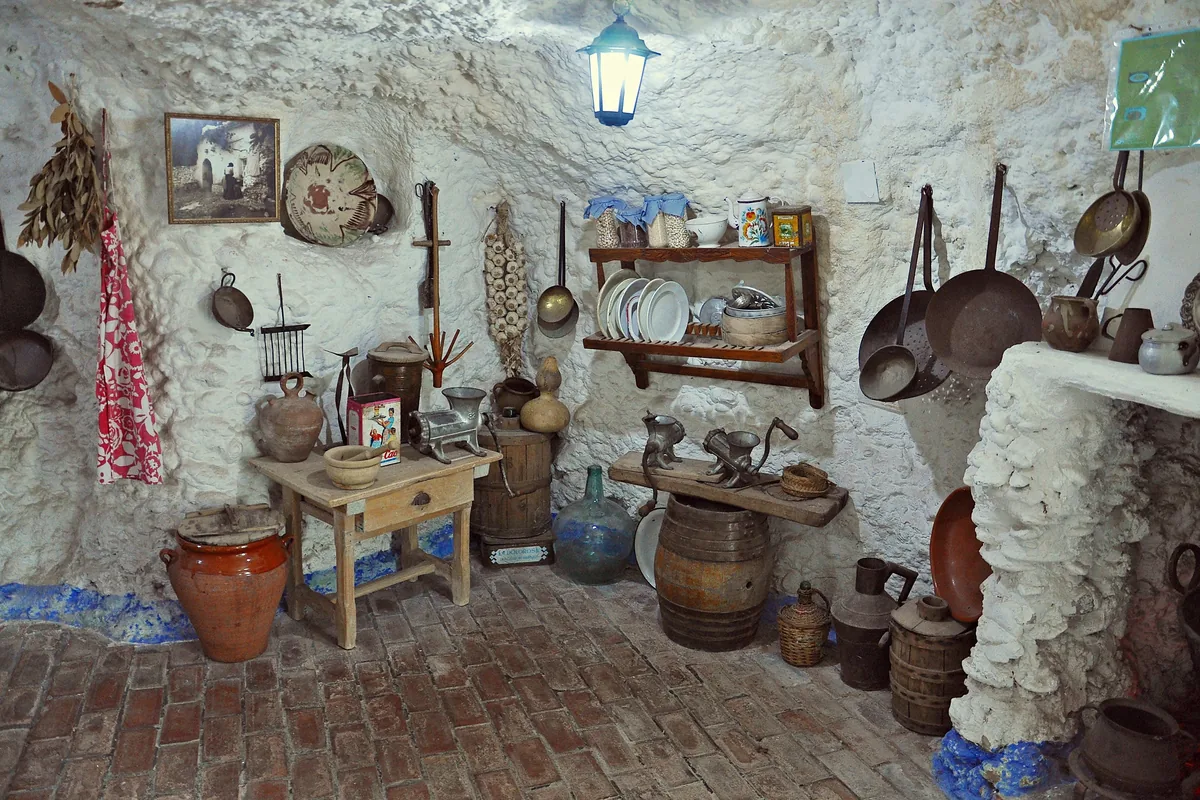
Wikipedia describes the houses as cave homes in whitewashed caves. A vertical cut forms the facade, an arch is set in as the door, and rooms are dug back as far as the terrain allows. No two are identical. Their origin is not very clear, it says, though digging is presumed to date from the 16th century, when the caves sheltered people living beyond the city's civil and church authority. Spanish Wikipedia says the interiors were whitewashed with lime and that some caves formed naturally and were later used for their thermal conditions and security. The guide to the caves goes through the whole story, and the Sacromonte Caves Museum on the same hill shows furnished cave rooms.
Read next: Sacromonte's caves, explained
Inside a small cave
Expect arches rather than corners: rounded walls, a low whitewashed ceiling and seating pressed close to the floor where the dancers work. At Cueva La Faraona the booking page sets the limit at 25 spectators, and the venue's site calls it the smallest cave in the barrio by capacity. Every cave is different, so the room at La Faraona will not match any photograph of another one. What carries over is the shape of the evening: an arch overhead, spectators along the walls and a bare floor where the dancers work, a few steps from your seat.
Voice, guitar and dance
UNESCO calls cante flamenco's voice, sung by men and women alike, ideally seated, and without any chorus. Baile, it says, is a dance of passion and courtship that can run from sorrow to joy, with the men leaning on footwork and the women moving more gently and sensually. Toque, the guitar, has long outgrown the job of simply accompanying. The venue's site says that at La Faraona the dance leads, with the guitar and the singer supporting it. Watch the footwork and listen for how the guitar answers it, because the best moments are conversations between the three. In a room this small there is nowhere for a sound to hide, so each hand-clap, breath and heel is part of the music.
What you may hear
Programmes change, so this is a listening aid, not a list. Zambra is the dance of the cave district, danced barefoot with finger cymbals according to Wikipedia. Flamenco tangos are lively, in a four-beat cycle, with a Granada form tied to local practice, especially in the Sacromonte. Granaína is sung in free rhythm, with no steady count. Soleá keeps a twelve-beat cycle and a graver mood, and bulerías mixes beat patterns and sounds looser. The guide to palos explains each one in more detail, in plain language. If a piece sounds unfamiliar, listen for the beat rather than the words: whether it feels like a steady count, a free line or a slow, heavy pulse is most of what you need.
Read next: Flamenco palos to listen for
Your part in the room
Flamenco is not watched in silence from a distance. Wikipedia notes that audiences join in by clapping and sometimes singing along, and that the palmas, the hand-clapping, hold the beat when no guitarist plays. In a cave with 25 spectators, your clapping is audible. Follow the room: when the people nearest to you clap, join in softly, and when the dancer is quiet, be quiet too. Following the room is enough; there is no need to match the compás exactly.
Noise and comfort
A small stone room amplifies everything. One traveller who booked says it got very loud and recommends ear protection, which is sensible advice if you are sensitive to sound, or if you bring a child. The cave is intimate rather than spacious, and with 25 spectators you will not have much room to stretch out. The show lasts one hour, so the discomfort, if any, is brief, but wear something comfortable, and keep the rest of the evening flexible, since some travellers mention a late start.
Access and age
Wheelchair users are ruled out on the booking page, and the hillside setting means step-free access should not be assumed. Check the booking page for any age rules before bringing children, and weigh the noise level for younger ones. If someone in your party has mobility needs, contact the venue or choose a different kind of room rather than turning up and hoping. The same goes for anyone who finds uneven ground or steps tiring, since a hillside district is rarely level.
Around the show: the Albaicín
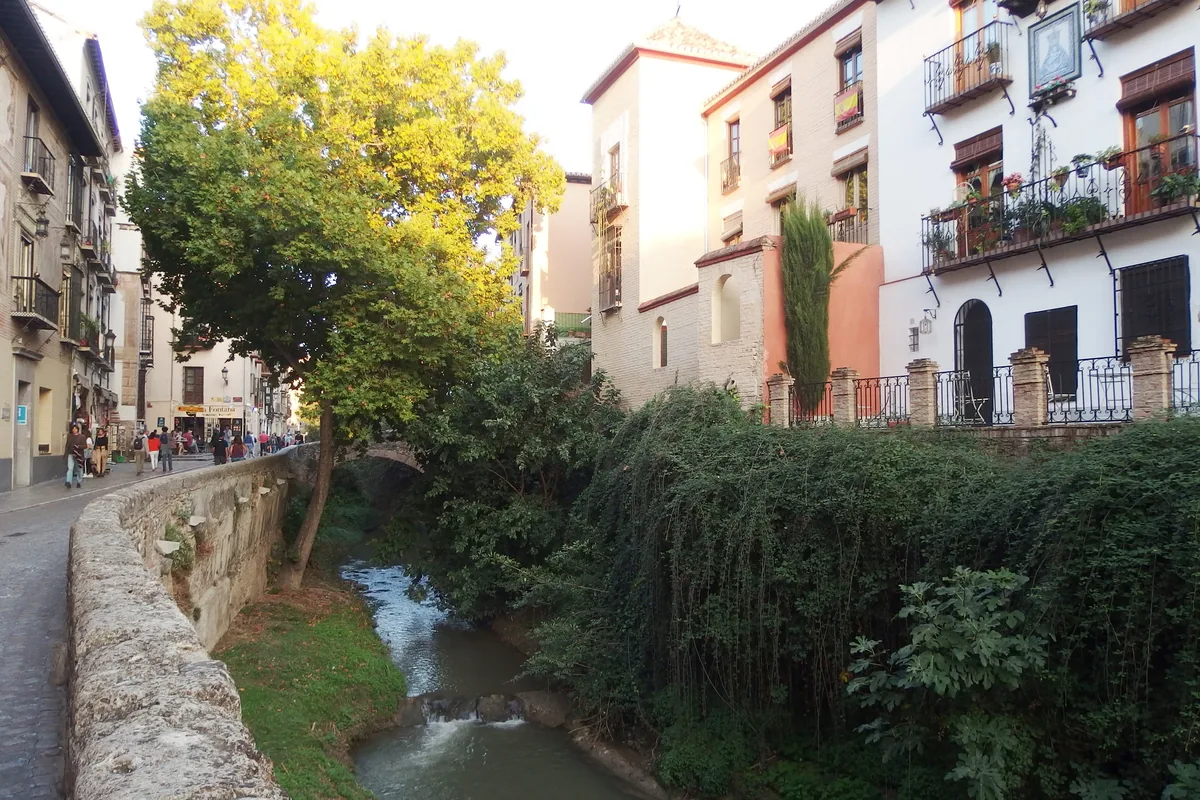
Because the Sacromonte sits beside the Albaicín, the rest of the evening can stay in the same area. Wikipedia says the Albaicín largely keeps the medieval street plan of the Nasrid period, joined the Alhambra's World Heritage listing as an extension in 1994, and is home to the Mirador de San Nicolás, a well-known viewpoint over the Alhambra. Its traditional houses, the cármenes, have whitewashed walls and a small garden. None of that needs a ticket, so the district suits a slow walk before or after the cave. Allow the walk to be the plan, and treat the show as the hour in the middle of it, rather than racing between sights.
Who this isn't for
Skip it if you are after a quiet, seated evening with food and wine brought to the table; the ticket is for the show. Skip it, too, if an uphill walk is hard for you or you need step-free access, or if you dislike close, loud rooms. And it will not suit anyone hoping for a precise programme, since casts and pieces change. Choose a bigger venue if comfort and menus matter more than closeness, and treat the cave as the choice for travellers who want the Sacromonte setting and an up-close hour of dance.
Frequently asked questions
Where is the cave?
At Camino del Sacromonte 53, in Granada's Sacromonte district, on the hillside opposite the Alhambra.
Is the way uphill?
Part of it is, because the Sacromonte is a hillside neighbourhood. Your confirmation carries the meeting details.
What will I hear?
Dance, song and guitar, with clapping. Casts and programmes change, so no piece or palo can be promised.
Is it loud?
It can be. A small stone room amplifies sound, and one traveller who booked recommends ear protection.
Does the show come with dinner?
No. The ticket is for the one-hour show, and food and drink are for you to arrange.
Can I take a wheelchair?
No. Wheelchair users are ruled out on the booking page.
Sources