Flamenco show at Cueva La Faraona
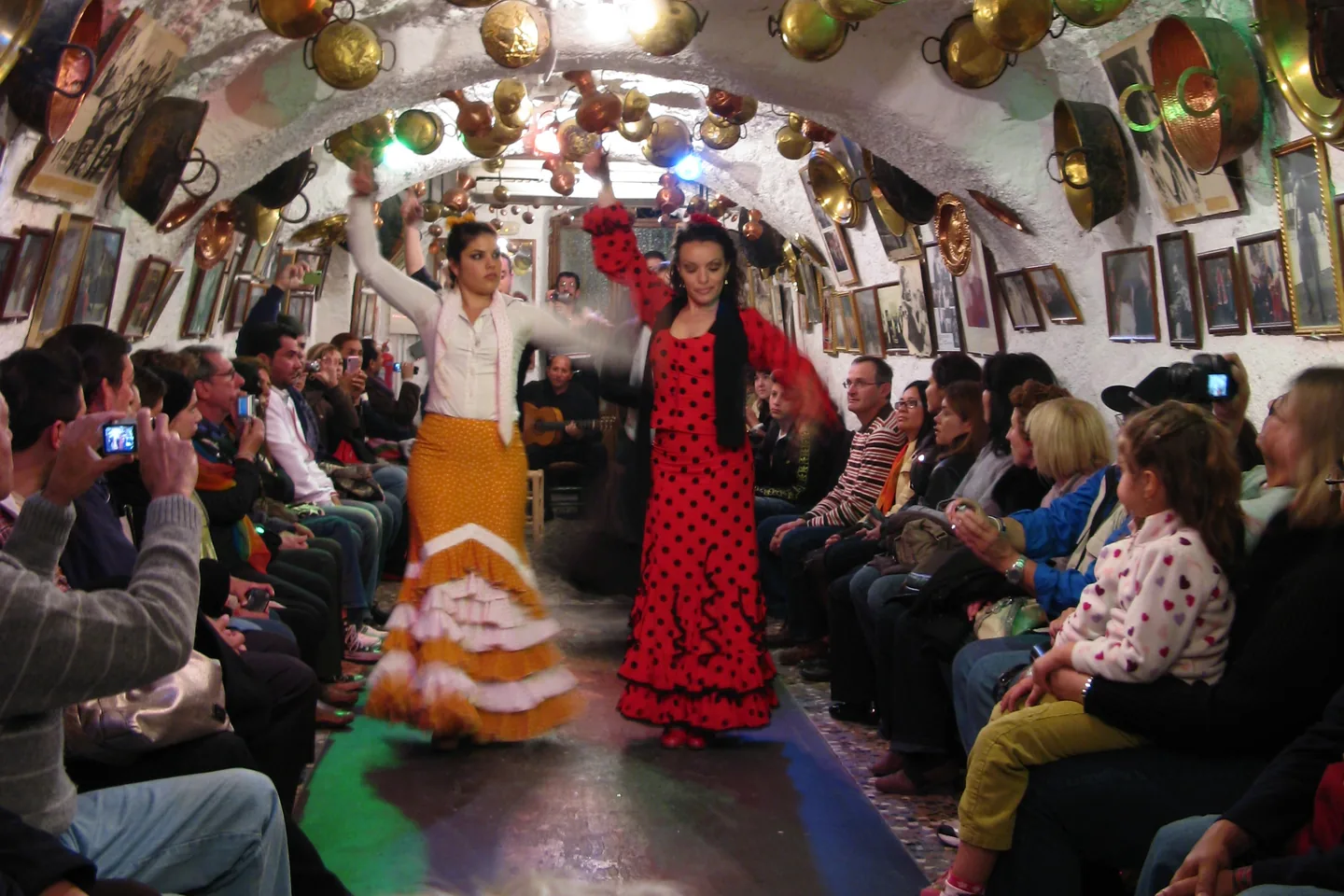
One hour of flamenco in a small family-run cave on Camino del Sacromonte, with room for no more than 25 spectators.
Granada · Sacromonte
An hour of dance, song and guitar inside a family-run cave on Camino del Sacromonte.
Likely to sell out: the cave holds just 25 spectators, so every seat sits close to the dancers.
The cave in four facts
The hour, from door to dark
Your confirmation carries the start time; the show itself runs for an hour.
The address is Camino del Sacromonte 53; put it into a map app and follow it to the door. Some travellers mention shows starting later than the time shown, so leave slack around the evening rather than booking a tight dinner straight after.
The venue's site puts the dance at the centre, supported by guitar and singing, with other artists joining in. Spectators sit close, so footwork, hand-clapping and breath all reach you directly.
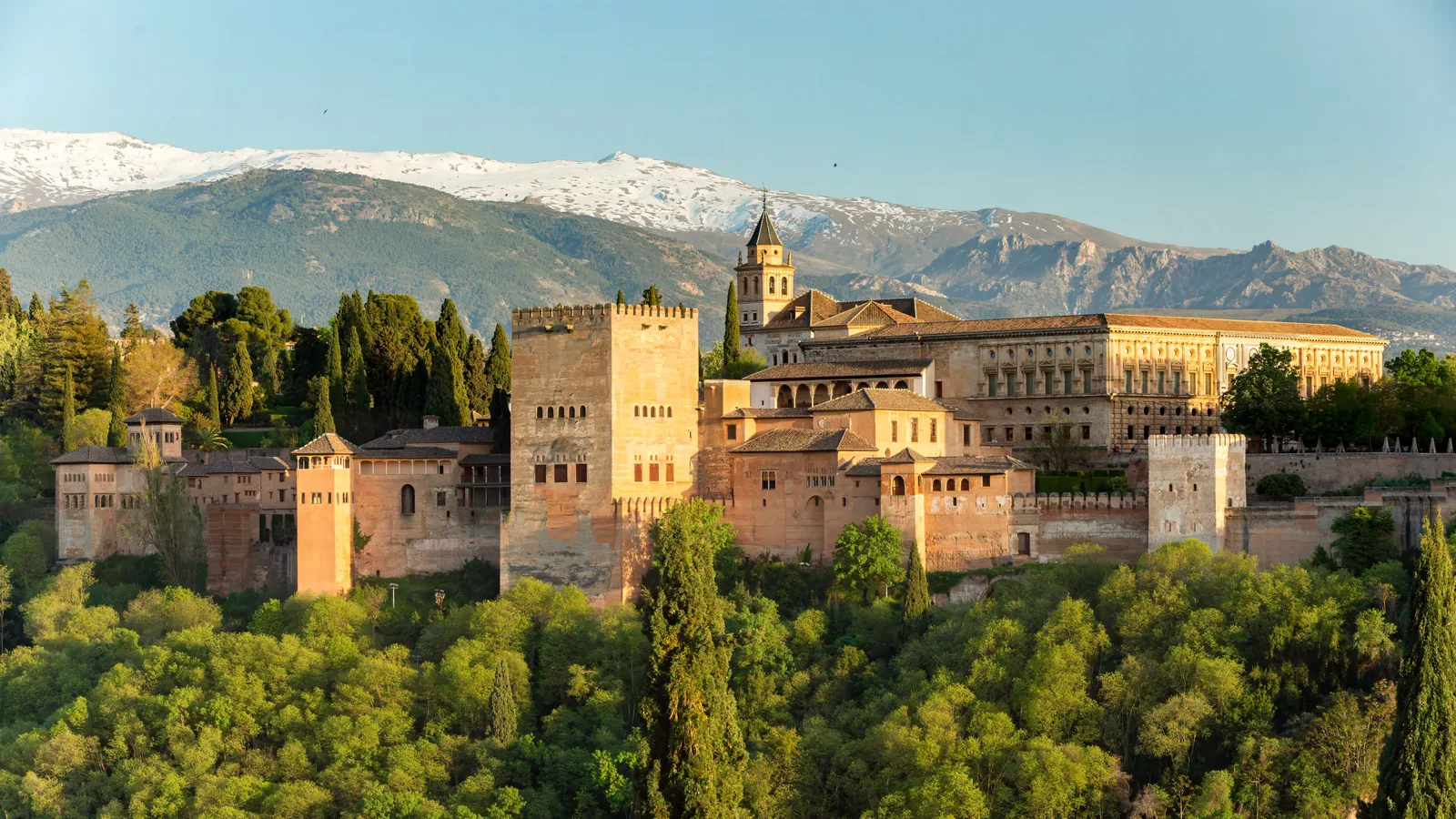
Sacromonte sits beside the Albaicín, so that district's lanes, the Darro valley and the lookouts over the Alhambra are the natural way to close the night. Plan food separately; the ticket is for the show.
The Sacromonte, in short
Sacromonte lies on the hillside and in the Valparaíso valley, opposite the Alhambra, beside the Albaicín. Wikipedia calls it the traditional home quarter of Granada's Romani, who made their homes there once the city fell to Christian forces in 1492.
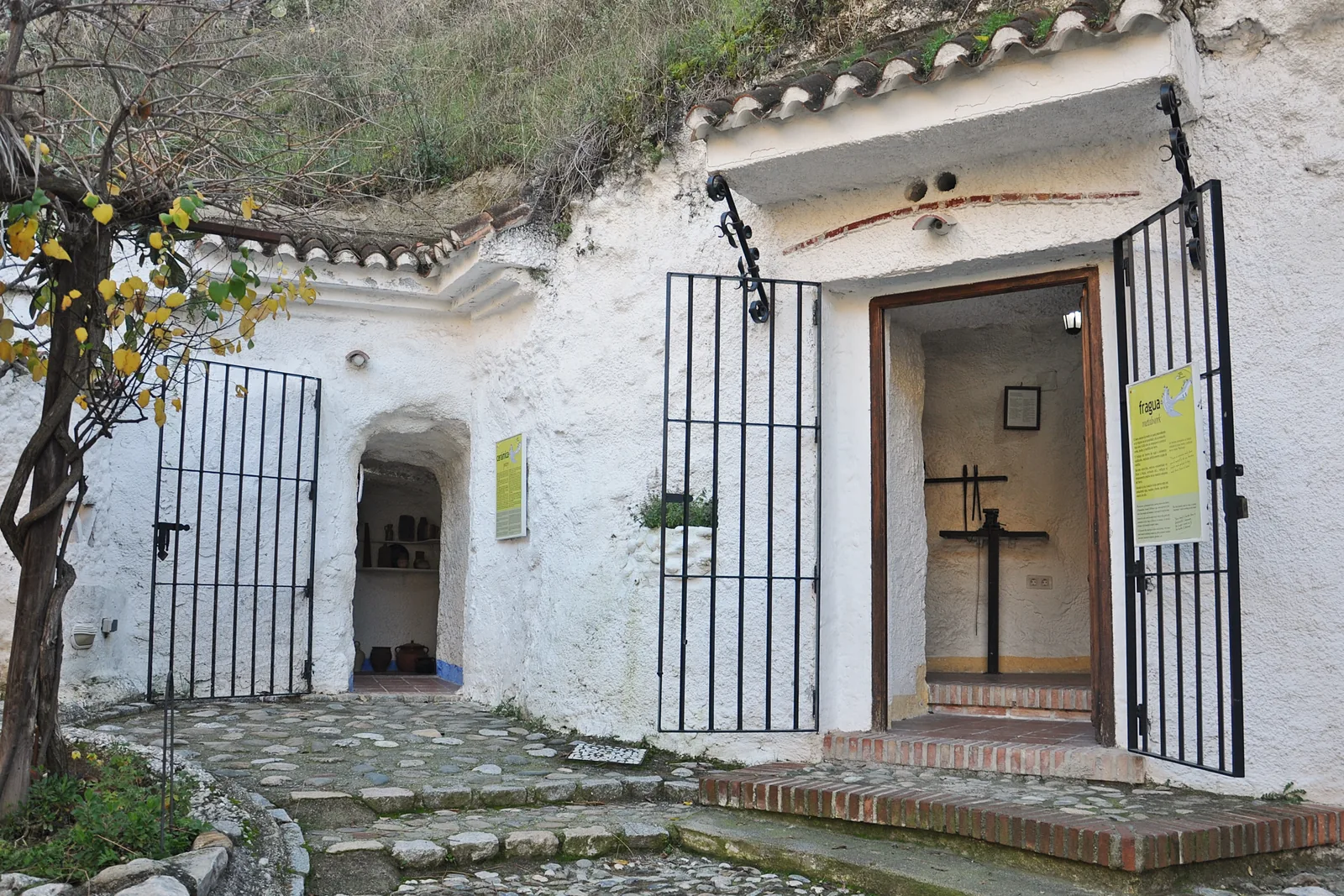
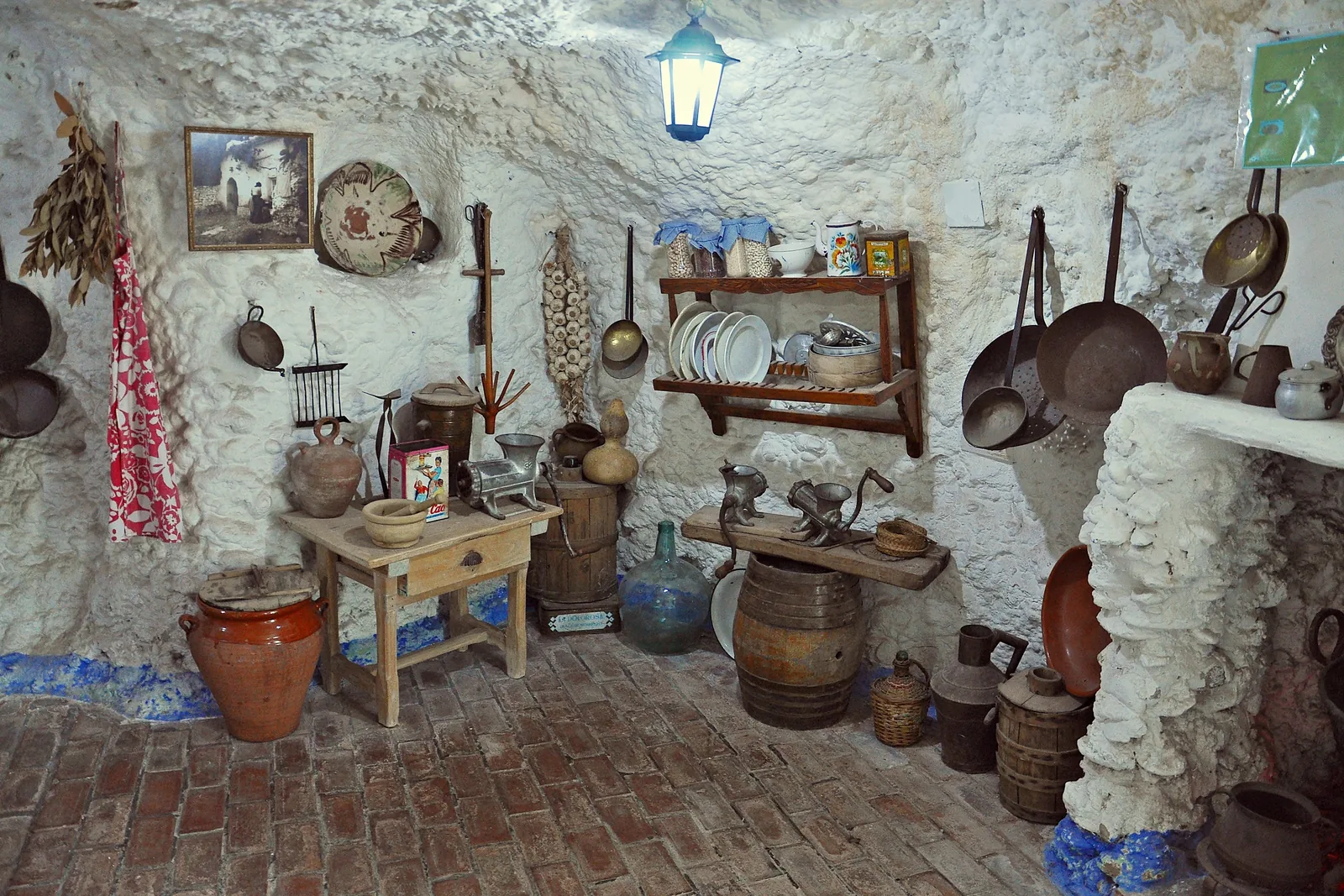
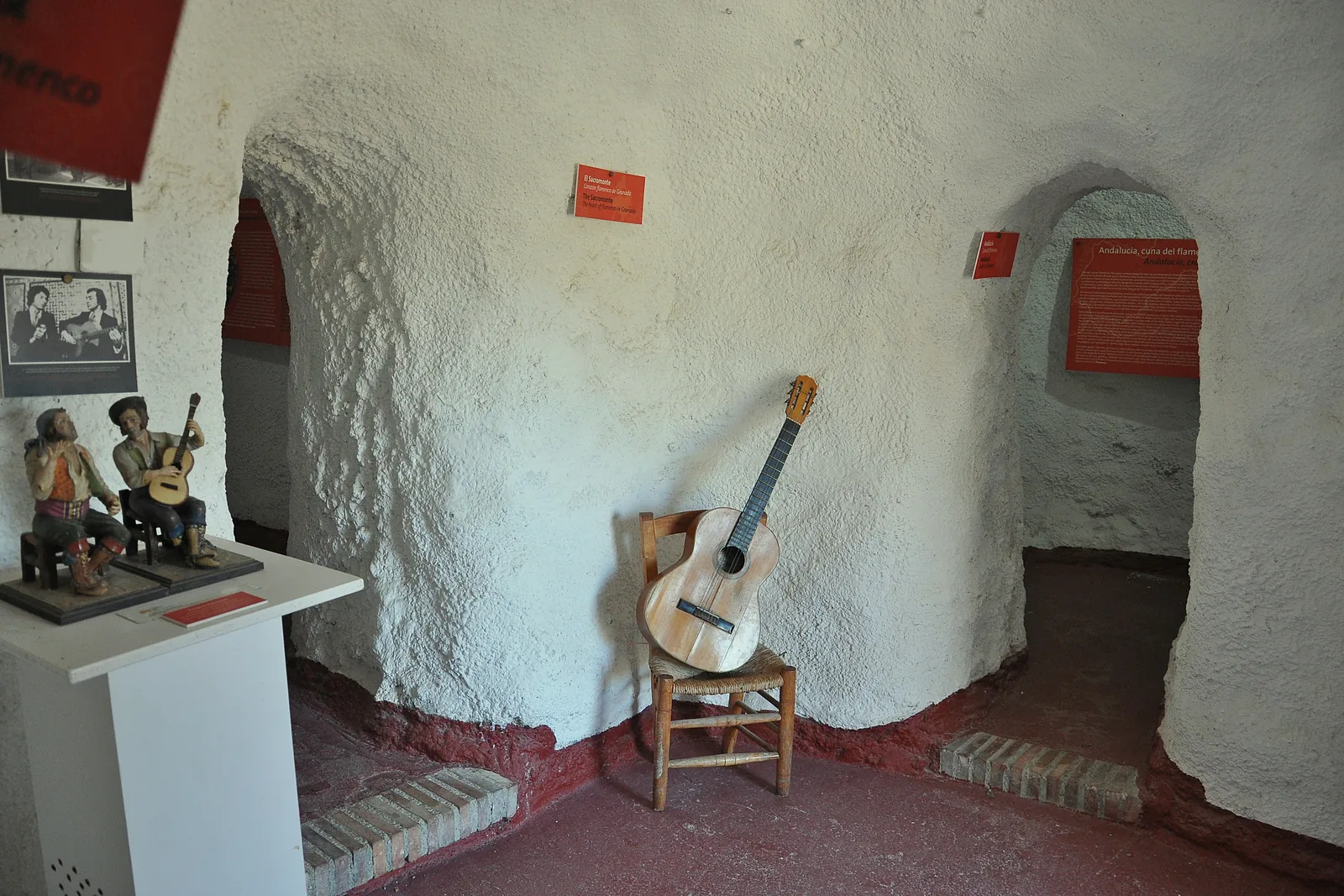
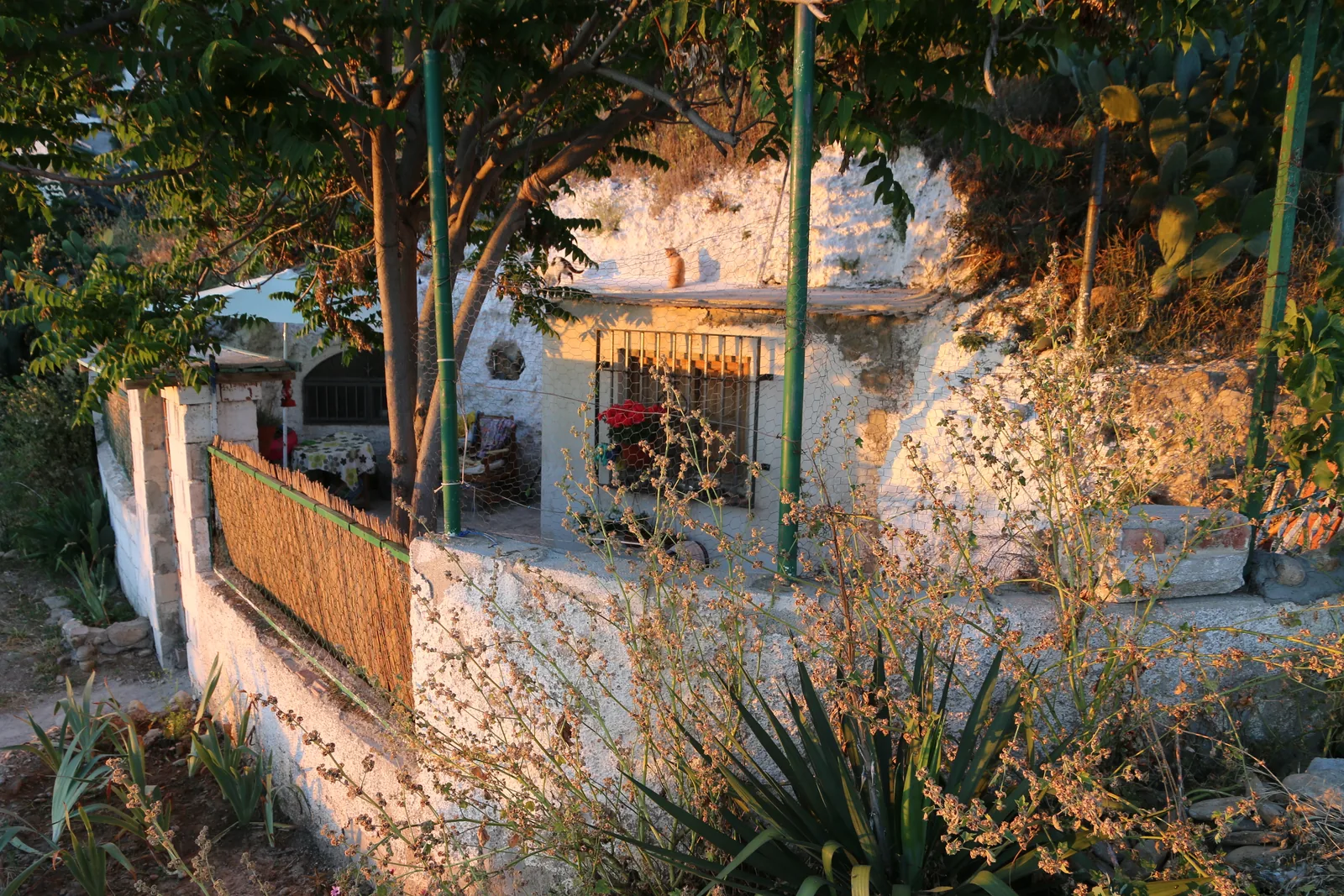
A vertical cut makes the facade, an arch goes in as the door, and rooms are dug back as far as the ground allows, Wikipedia explains. No two caves match. Spanish Wikipedia adds that the interiors were whitewashed with lime.
Spanish Wikipedia names the Sacromonte the cradle of Granada's flamenco and says zambras began in tablaos inside the cave homes before turning into a major draw for visitors. A Barceló travel guide likewise calls it one of Andalusia's main cradles of flamenco.
The venue's own site calls La Faraona the smallest cave in the barrio by capacity, and the booking page sets the limit at 25 spectators. The size is the point: the stage is the floor you are looking at.
Hear it first
Flamenco shares the work between voice, guitar and dance, and each piece follows a palo, a style with its own beat and mood. These six suit a Sacromonte night, though none is promised for any given show.
Zambra, says Wikipedia, belongs to the Romani of Granada and Almería and is danced barefoot with finger cymbals. Its name is Andalusi Arabic, and the dance is thought to carry on older Morisco styles.
Flamenco tangos are a lively palo in a four-beat cycle and have nothing to do with Argentine tango, Wikipedia notes. It adds that Granada's version is closely tied to local practice, above all in the Sacromonte.
Granaína belongs to the fandango family and sits in the middle group of cantes, Wikipedia's article on palos says. Like malagueñas, it is sung in free rhythm, so there is no steady count underneath the voice.
Soleá gives its name to a family of palos that share a twelve-beat cycle, and Wikipedia ranks it among the cante grande, sometimes called deep song, together with siguiriyas. Listen for a slower pulse and a graver mood than in the livelier pieces.
Wikipedia says bulerías can mix twelve-beat, six-beat and three-beat sections, and it files the palo under the lighter cante chico. Expect a looser, more festive feel than in a soleá.
Palmas are hand-clapping. When there is no guitarist, Wikipedia says, they carry the compás, the beat itself. UNESCO lists hand-clapping, castanets and foot-stamping among flamenco's other instruments.
Casts and programmes shift from show to show, so read these as hints for listening, never as a running order.
Before you pay
Six things worth settling before you pick a night.
Pictures
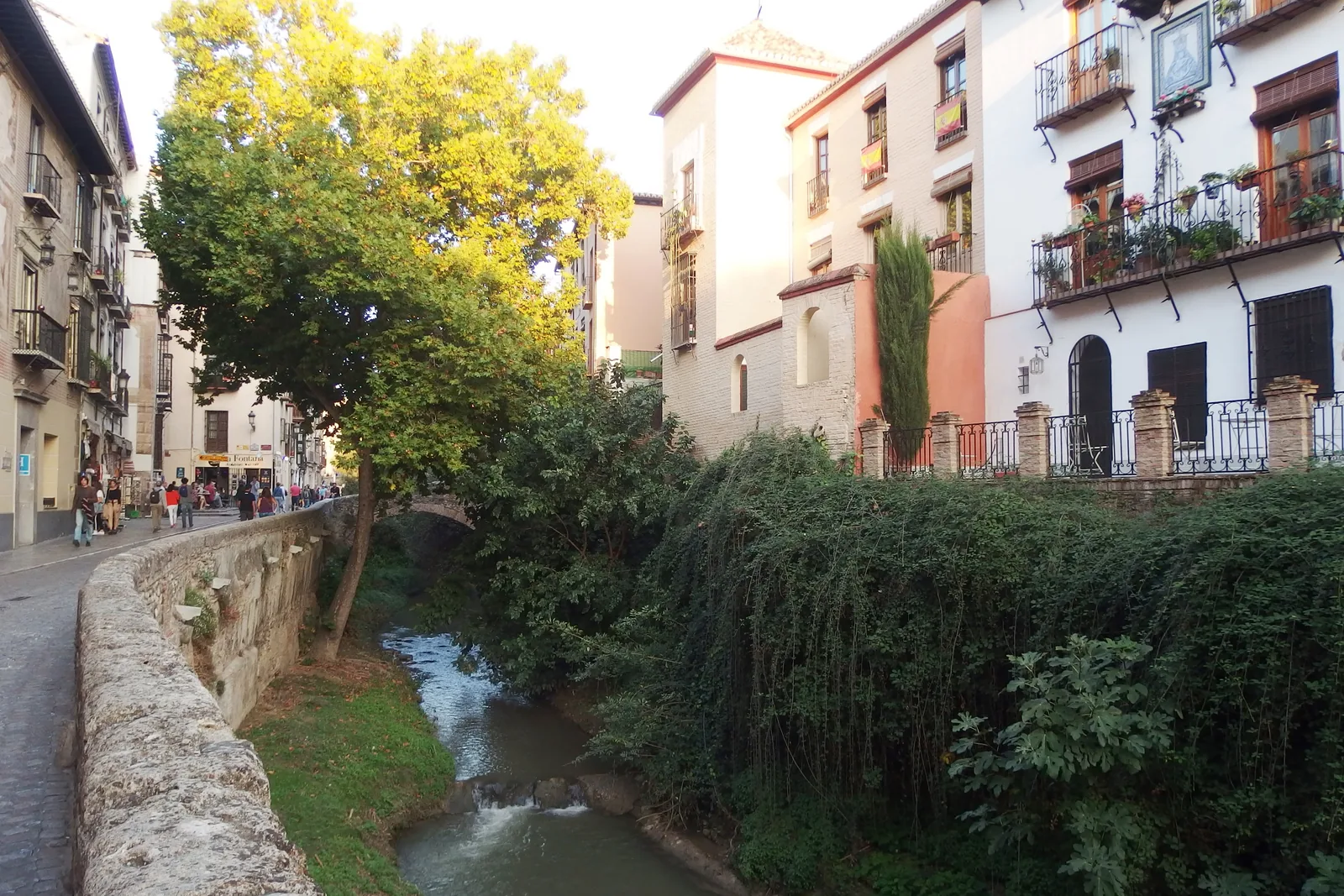
The Alhambra from the Mirador de San Nicolás, then cave rooms at the Sacromonte Caves Museum, a hillside cave house and the Darro below the Albayzín. The stage photograph at the head of this page was taken in a different Sacromonte cave.
Book a place
One ticket is covered here: the one-hour flamenco show at Cueva La Faraona. Open the calendar to see which dates are running.
One hour of flamenco in a small family-run cave on Camino del Sacromonte, with room for no more than 25 spectators.
Elsewhere in Granada
Planning the night
Cueva La Faraona is at Camino del Sacromonte 53, 18010 Granada. Typing that address into a map app will find the door.
Sacromonte sits on a hillside across the Darro valley from the Alhambra, so expect part of the way to be uphill. Your confirmation gives the meeting details.
Each date lists a start time of its own. A few travellers say shows begin late, so keep the hour after the show free.
The ticket describes the show only. Arrange dinner, drinks and the trip up and down the hill yourself.
Twenty-five spectators in a stone cave is an intimate room and a loud one. One traveller who booked recommends ear protection for sensitive ears.
Give a day's notice and the money is returned. A date can also be pencilled in unpaid, so nothing is final before your trip is.
Read further
FAQ
An hour; each date in the calendar lists its own start time.
At Camino del Sacromonte 53, in Granada's Sacromonte district.
No more than 25 spectators. The venue's site calls it the smallest cave in the barrio by capacity.
Count on the one-hour show alone. Treat drinks, food and the trip up the hill as extras you arrange yourself.
It can be. Twenty-five spectators sit close in a stone room, and one traveller who booked advises ear protection.
The ticket is for a flamenco show. Zambra is the Sacromonte caves' own tradition, and the venue links its history to it, but no night is promised to include one.
No. The booking page rules the show out for wheelchair users.
Give a day's notice and the money is returned; a date can also be pencilled in unpaid.
Your own currency appears once you pick a date.